August 27, 2026Comparison
IP KVM Repairability Ranked: Which Ones You Can Actually Fix
We opened all of them. One has a swappable brain, and one we damaged just getting inside.
By Andrew Douglass · Founder
Disclosure: Our articles contain affiliate links, including Amazon. If you buy through one, we may earn a commission at no extra cost to you, and as an Amazon Associate we earn from qualifying purchases. It never affects our testing, measurements, or verdicts. Full disclosure.
IP KVM repairability is not something anyone advertises, but on a device you keep for years it decides whether a dead part means a five-minute fix or a landfill. We tore down every IP KVM we own and ranked them on what you can actually replace when something fails. The PiKVM V4 Plus came out most repairable, with a swappable compute module, a removable card, and open firmware. The GL.iNet Comet Pro came out least: we damaged its plastic just getting inside, and nothing within is replaceable anyway.
Here is the full ranking, and the four things that separate a fixable KVM from a disposable one.
How we scored it
Repairability on these devices comes down to four questions, all answered by opening the thing:
- Can you open it without damage? A device you cannot get into without breaking it is not repairable in any practical sense.
- Is the storage replaceable? Flash is the most common failure on an always-on device, so a removable microSD is a genuine repair path and a soldered eMMC is not.
- Is the compute replaceable? Two devices here use a Raspberry Pi Compute Module 4, which is a socketed module you can swap. Everywhere else the processor is soldered to the board.
- Is the firmware open? Open, reflashable firmware means a corrupted install is recoverable and the device outlives its vendor's support.
| Device | Opens without damage | Replaceable storage | Replaceable compute | Open firmware |
|---|---|---|---|---|
| PiKVM V4 Plus | Mostly (fiddly FPC cable) | Yes (microSD) | Yes (CM4 module) | Yes |
| JetKVM | Yes | Yes (microSD) | No (soldered) | Yes |
| Sipeed NanoKVM Full | Yes | Yes (microSD) | No (soldered) | Yes |
| Sipeed NanoKVM PCIe | Yes | Yes (microSD) | No (soldered) | Yes |
| TinyPilot Voyager 3 | Hard (stripped a screw) | Via CM4 swap | Yes (CM4 module) | No (closed) |
| BliKVM | Yes | Yes (microSD) | No (soldered) | Yes |
| Luckfox Pico KVM | Yes | No (soldered eMMC) | No (soldered) | Partial (provisional repo) |
| Sipeed NanoKVM Pro | Yes | No (soldered eMMC) | No (soldered) | Yes |
| GL.iNet Comet | Yes | No (soldered eMMC) | No (soldered) | No (closed) |
| GL.iNet Comet Pro | No (damaged the plastic) | No (soldered eMMC) | No (soldered) | No (closed) |
Most repairable: the PiKVM V4 Plus
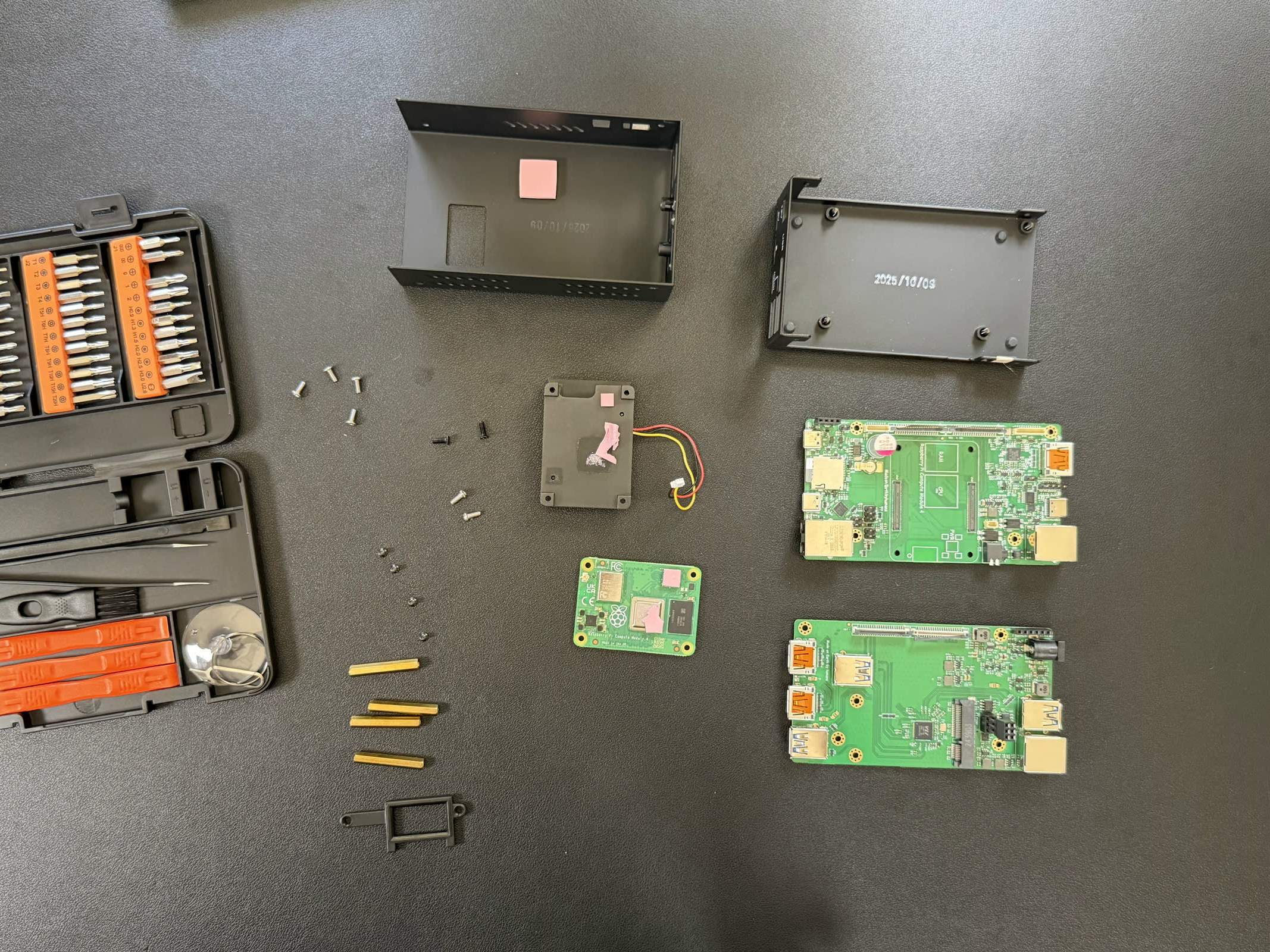
The PiKVM wins because it is built from a standard, replaceable part. Its brain is a Raspberry Pi Compute Module 4, a socketed module you can buy anywhere and swap in minutes, and it boots from a removable microSD card, so the two things most likely to fail are both user-replaceable. Its firmware is fully open, so a botched update is recoverable. The only knock is that getting inside means working around an H-shaped flat-flex cable that takes a careful hand, and the microSD is annoyingly hard to extract from its slot. Neither is a real barrier. If longevity matters, this is the device you can keep alive. Our PiKVM review covers the rest of it.
The removable-storage tier
The next group cannot swap their processor, but they nail the repair that actually matters: replaceable storage. The JetKVM, both card-based Sipeed NanoKVMs, and the BliKVM all boot from a removable microSD, and all four open easily without any drama. Since a worn or failed card is the single most common way one of these devices dies, being able to pull it and reflash is most of practical repairability. All four also run open firmware, so recovery is a reflash away. The JetKVM in particular is a clean, screw-together design that goes back together as easily as it comes apart.
The catch for the NanoKVMs is that the card they ship is a generic no-name part, so the smart move is to replace it with a known-good one on day one, which we get into in the storage provenance report.
The modular-brain story, and where it breaks down
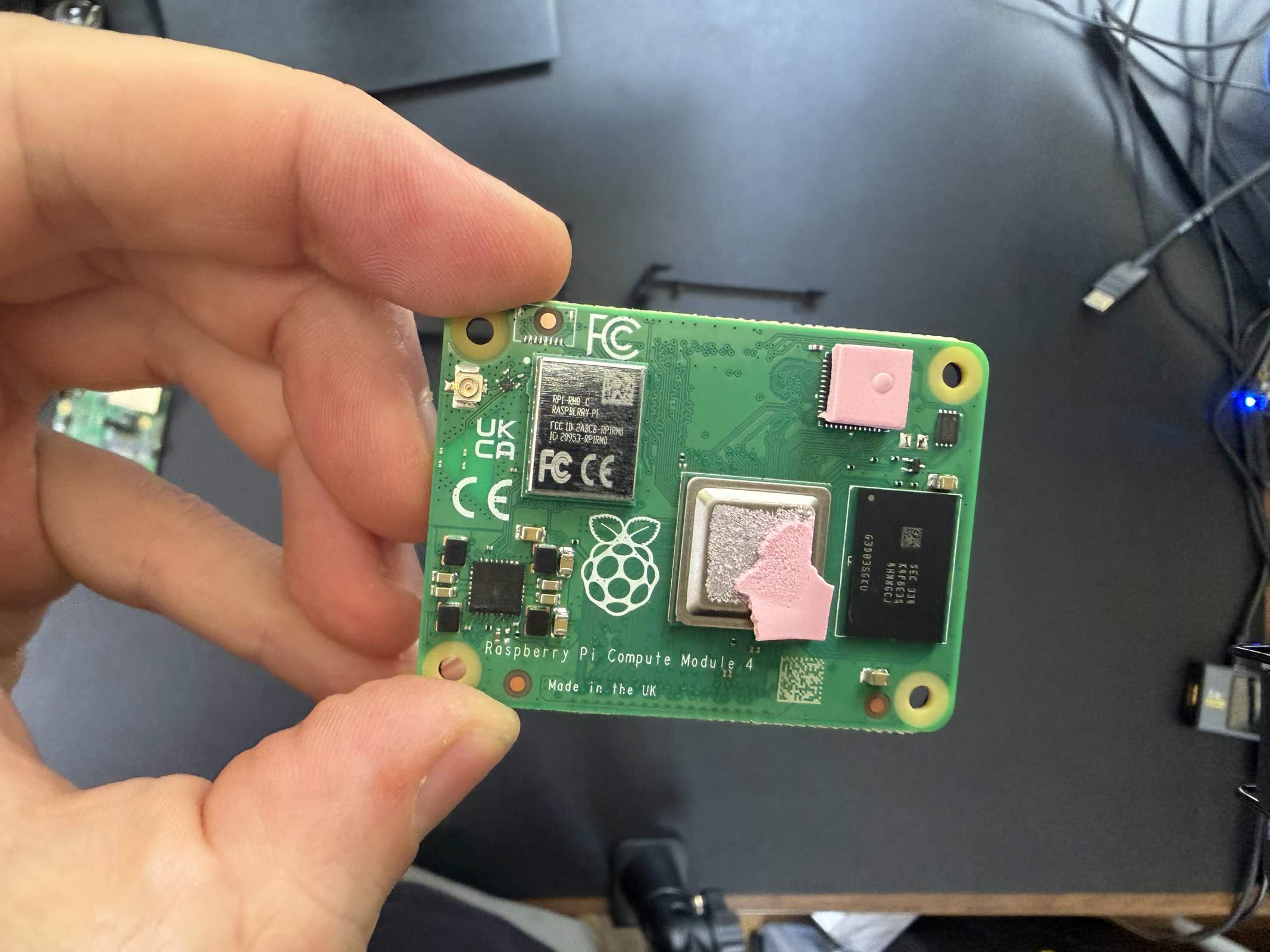
Two devices use the swappable Compute Module 4: the PiKVM and the TinyPilot Voyager 3. In theory that makes both the most future-proof designs here, because you can replace the entire brain, and on the TinyPilot the storage lives on that module too, so a CM4 swap fixes a dead eMMC as well.
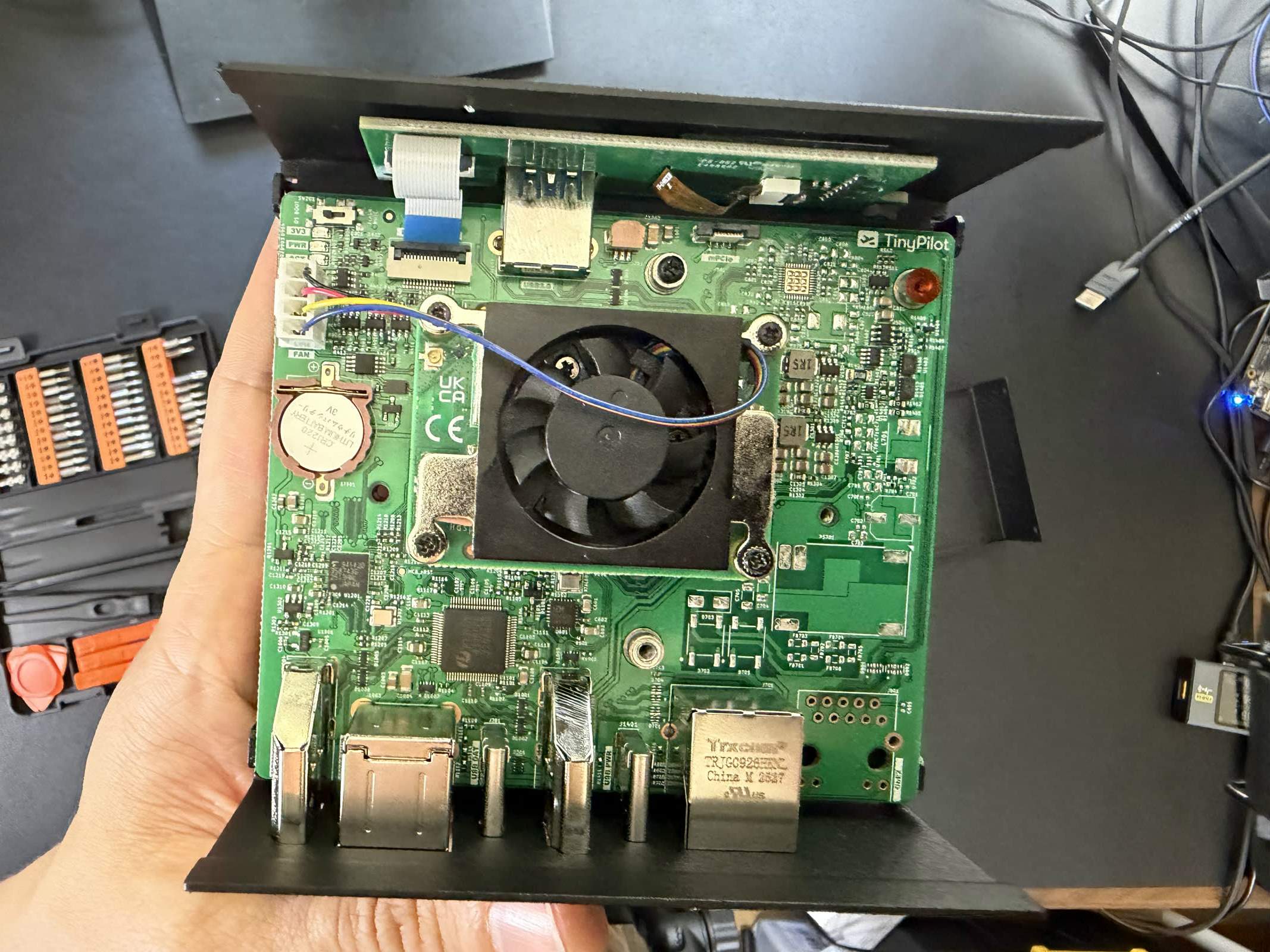
In practice the TinyPilot fights you. Getting the board out to reach the module was the hardest access of any device that was meant to be opened, and we stripped a screw doing it. Its software is also a closed appliance, so you do not get the reflash-and-recover safety net the open devices give you. The modularity is real and valuable, but it sits behind a fiddly teardown and locked-down firmware. It is a device you can repair, but not one that invites it.
Least repairable: the GL.iNet Comet Pro
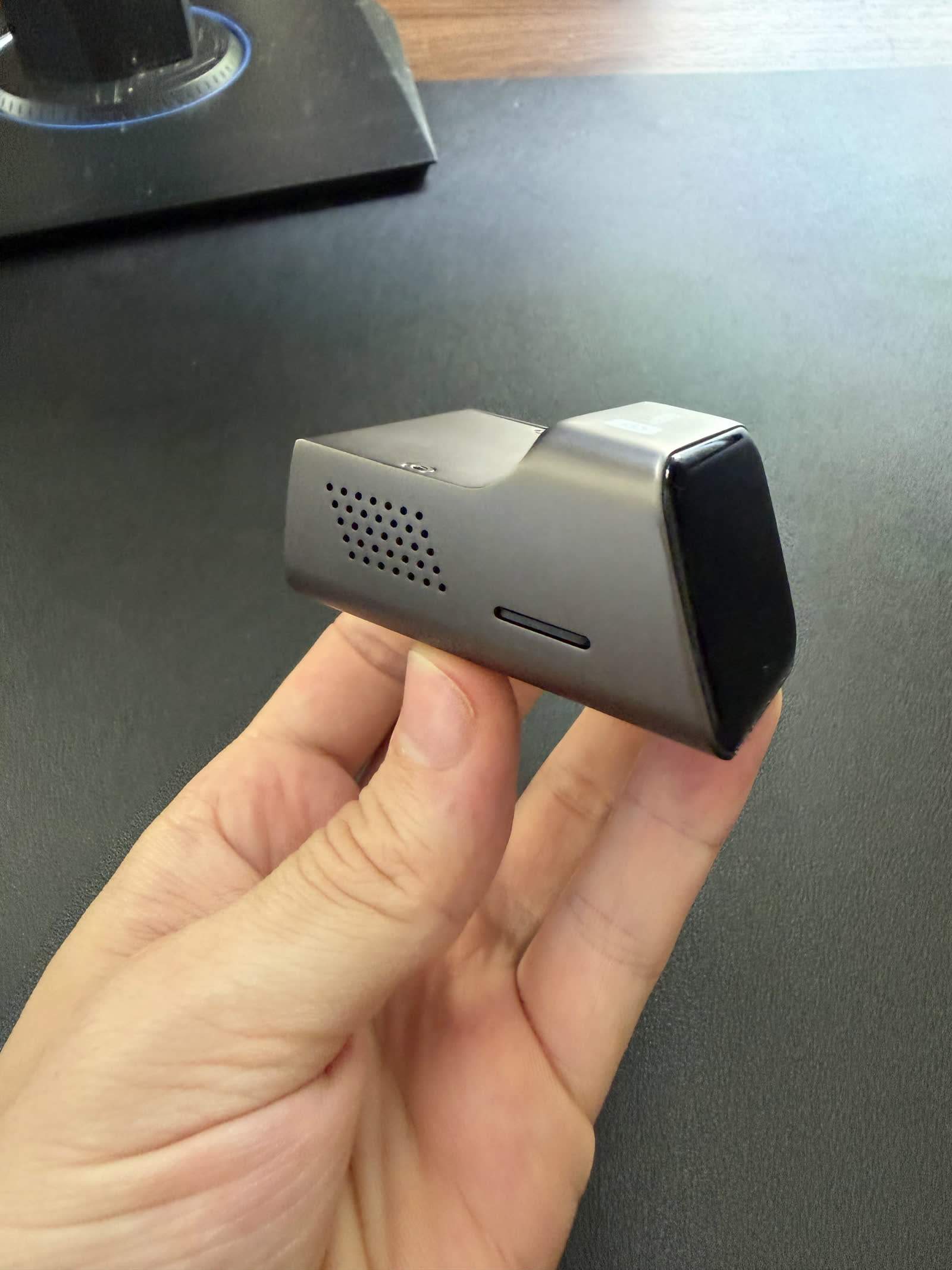
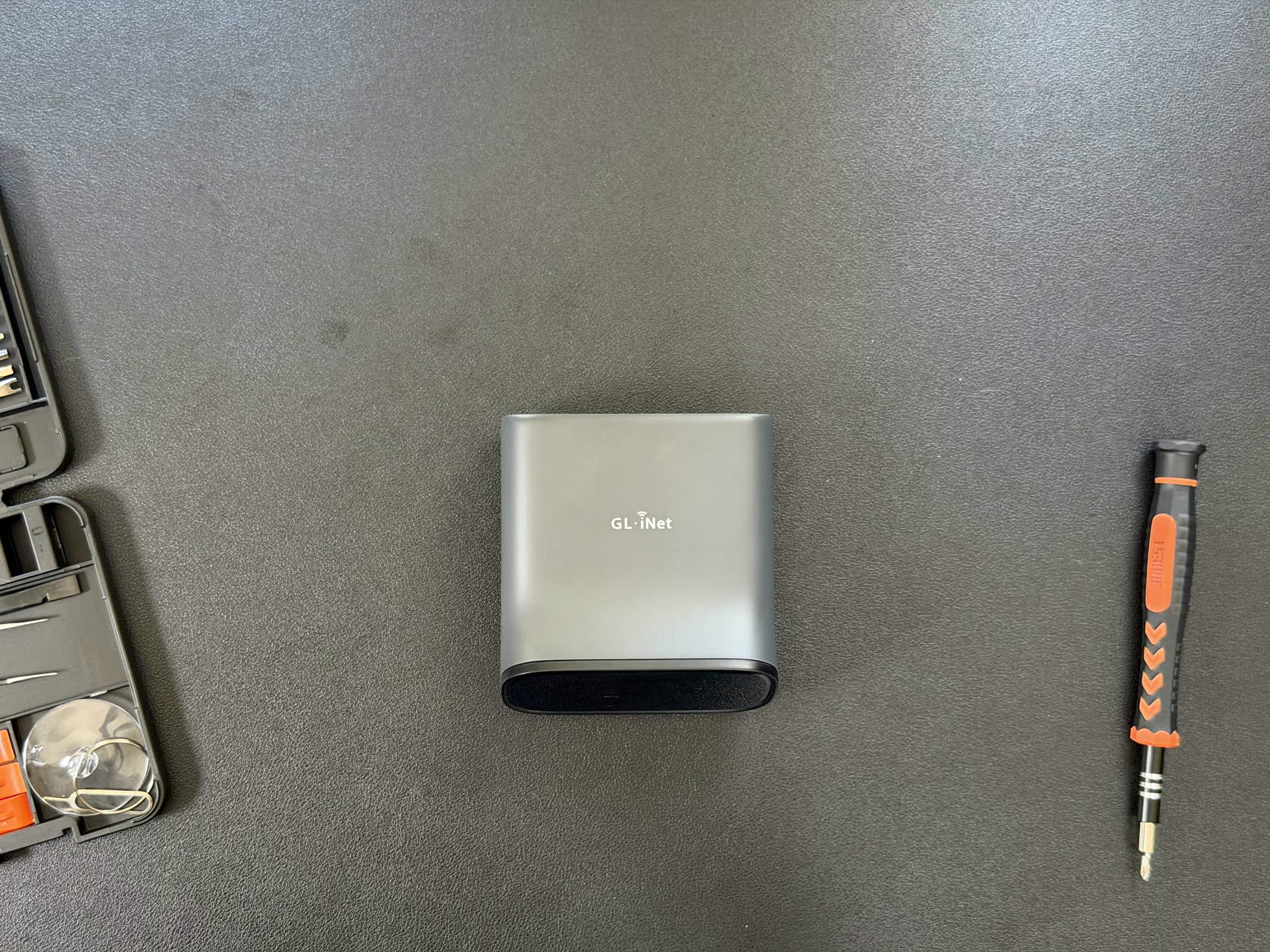
The GL.iNet Comet Pro is the one device we could not open cleanly. The plastic damaged as we worked it apart, and it simply does not seem designed to be serviced. That would be forgivable if there were anything inside to fix, but there is not: the storage is a soldered eMMC, the processor is soldered, and the firmware is a closed appliance. So it combines the worst of every axis, hard to open and nothing replaceable once you are in. The base GL.iNet Comet is no more repairable internally, but at least it opens without a fight. The GL.iNet Comet review covers what the devices do well, which is a separate question from whether you can fix one.
The NanoKVM Pro and Luckfox land in the middle: both open easily and run open firmware, but both use a soldered eMMC, so a storage failure is terminal even though the software is recoverable. The payoff of that open firmware is that anyone can reflash and audit it. Each of these publishes its KVM application under the GPL, and you can read the code yourself: PiKVM, JetKVM, BliKVM, Sipeed NanoKVM, and the separate NanoKVM Pro tree for the 4K model.
Two caveats before you lean on that column too hard. Sipeed did not start out here. The NanoKVM shipped with a closed application layer, and a February 2025 security analysis found it downloading binary libraries from Sipeed's own servers keyed to the device serial number, with an encryption key hardcoded in the client. Sipeed answered with a roadmap and has since published the backend, frontend, and support layers under GPL-3.0, so the position today is genuinely open. It was won by public pressure rather than offered up front, which is worth knowing if you are betting on future openness.
The Luckfox is the thinnest claim here. Its KVM source sits on a provisional repository that Luckfox itself describes as not fully tested and due to move to the company's own organization, and its Rockchip media libraries stay proprietary. Treat it as open in principle rather than settled.
That last point applies more broadly than Luckfox. Every device here leans on closed silicon vendor blobs somewhere in the stack, Rockchip and Allwinner especially. This column is about whether the KVM application itself is published and reflashable, not about a fully libre boot chain.
Verdict
The most repairable IP KVM is the PiKVM V4 Plus. A socketed Compute Module 4, a removable card, and open firmware mean the two parts most likely to fail are both swappable and a bad flash is always recoverable. If you want a device you can keep running for a decade, this is it.
Per use case: if you do not need a swappable processor but want the practical repair that counts, the JetKVM and the card-based NanoKVMs all let you replace the storage and reflash freely, which covers most real failures. If you want the modular CM4 without the PiKVM's price, the TinyPilot has it, but expect a fiddly teardown and closed software. And the device to avoid on this axis is the GL.iNet Comet Pro: hard to open, damaged in the attempt, and nothing inside you can replace anyway.
FAQ
The PiKVM V4 Plus. It uses a socketed Raspberry Pi Compute Module 4 you can swap, boots from a removable microSD, and runs open firmware, so the parts most likely to fail are replaceable and a bad update is recoverable.
On some. The JetKVM, PiKVM V4 Plus, and the card-based Sipeed NanoKVMs use a removable microSD you can swap in seconds. The GL.iNet Comets, NanoKVM Pro, Luckfox, and TinyPilot use soldered eMMC, which you cannot replace without a hot-air station (though the TinyPilot's sits on a swappable CM4 module).
The GL.iNet Comet Pro. It was the only device we could not open without damaging the plastic, and it does not appear designed to be serviced. Nothing inside is replaceable either, so there is little reason to open it.
Yes. Open firmware (PiKVM, JetKVM, the NanoKVMs, BliKVM, and with caveats the Luckfox) means a corrupted or bricked install can be reflashed and recovered, and the device keeps working after its vendor stops supporting it. A closed appliance leaves you dependent on the maker.
This ranking is built from our own teardowns of each device; repairability reflects what we could open, replace, and reassemble by hand. Disclosure: this guide is published by WarpKVM, which is developing an IP KVM of its own.