October 21, 2026Review
GL.iNet Comet (GL-RM1) Teardown: Inside the Base Model
The cheaper base Comet was among the fastest KVMs we tested. We opened it to see how a Rockchip RV1126 and a Lontium bridge keep pace with devices costing four times as much.
By Andrew Douglass · Founder
Disclosure: Our articles contain affiliate links, including Amazon. If you buy through one, we may earn a commission at no extra cost to you, and as an Amazon Associate we earn from qualifying purchases. It never affects our testing, measurements, or verdicts. Full disclosure.
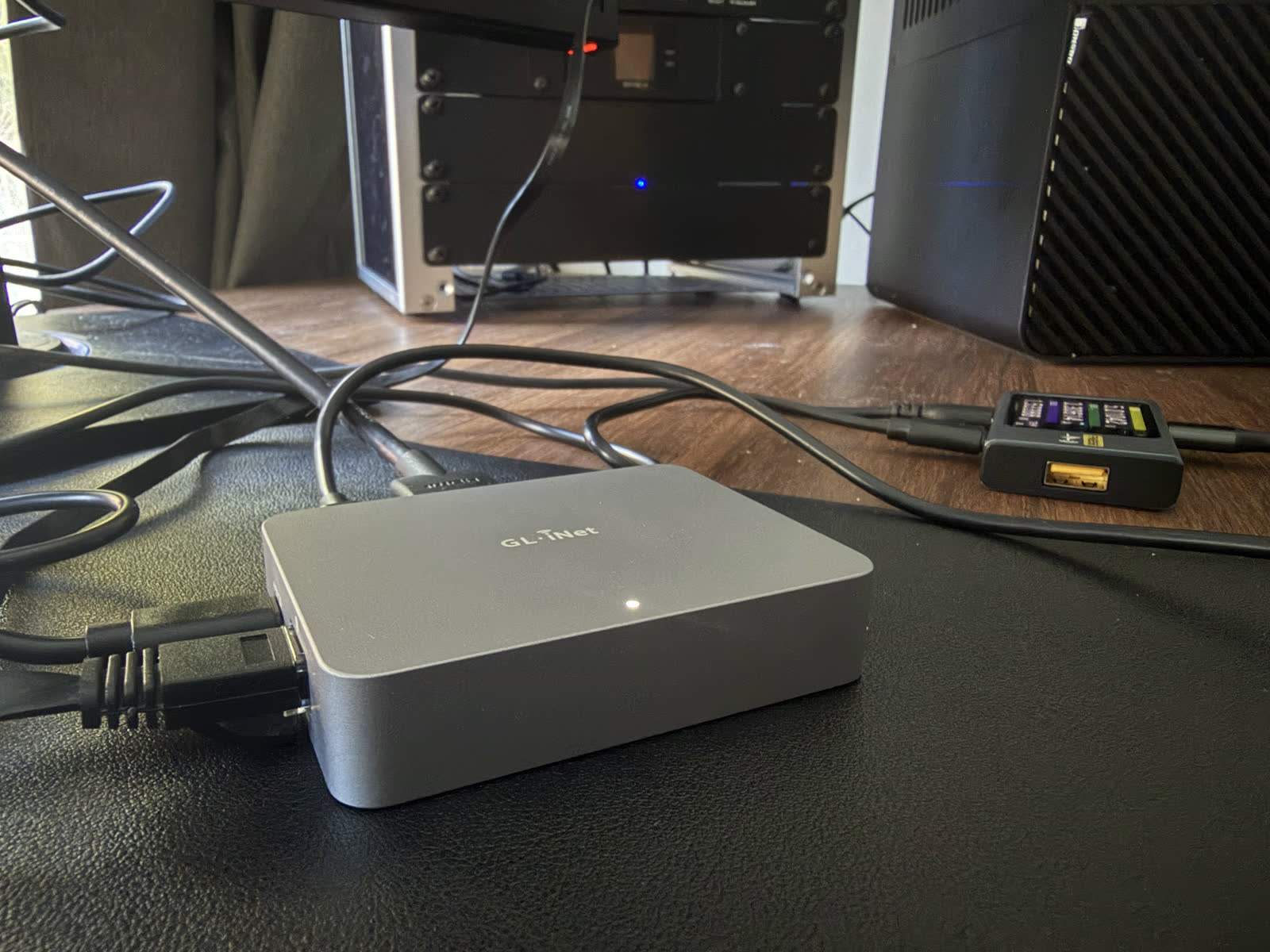
This GL.iNet Comet teardown looks inside a small surprise. In our ten-device fleet one of the two fastest devices on the latency bench was not a $400 flagship; it was the base GL.iNet Comet (GL-RM1), at around $90, which measured 54.1 ms glass to glass at 1080p60 in Chrome, level with the NanoKVM Pro and the fastest of the KVMs we tested on a still screen (42.1 ms). We opened it to understand how, and to check what a polished consumer-brand KVM actually runs. Inside is a well-chosen Rockchip and Lontium pairing that explains the speed, and, on the network, some traffic worth knowing about.
Updated October 2026: re-measured on our new glass-to-glass rig at each device's best settings; why the numbers changed.
What a teardown answers
An IP KVM's character comes down to three parts: the capture chip that ingests HDMI, the SoC that encodes and streams it, and the storage that holds the firmware. Reading them off the board explains the resolution ceiling and the latency class. With a network-connected consumer device, we also watch what it does on the wire, because a KVM sits at the hardware level of whatever it is plugged into. The full chip map across the fleet is in our capture chip database.
Opening it up
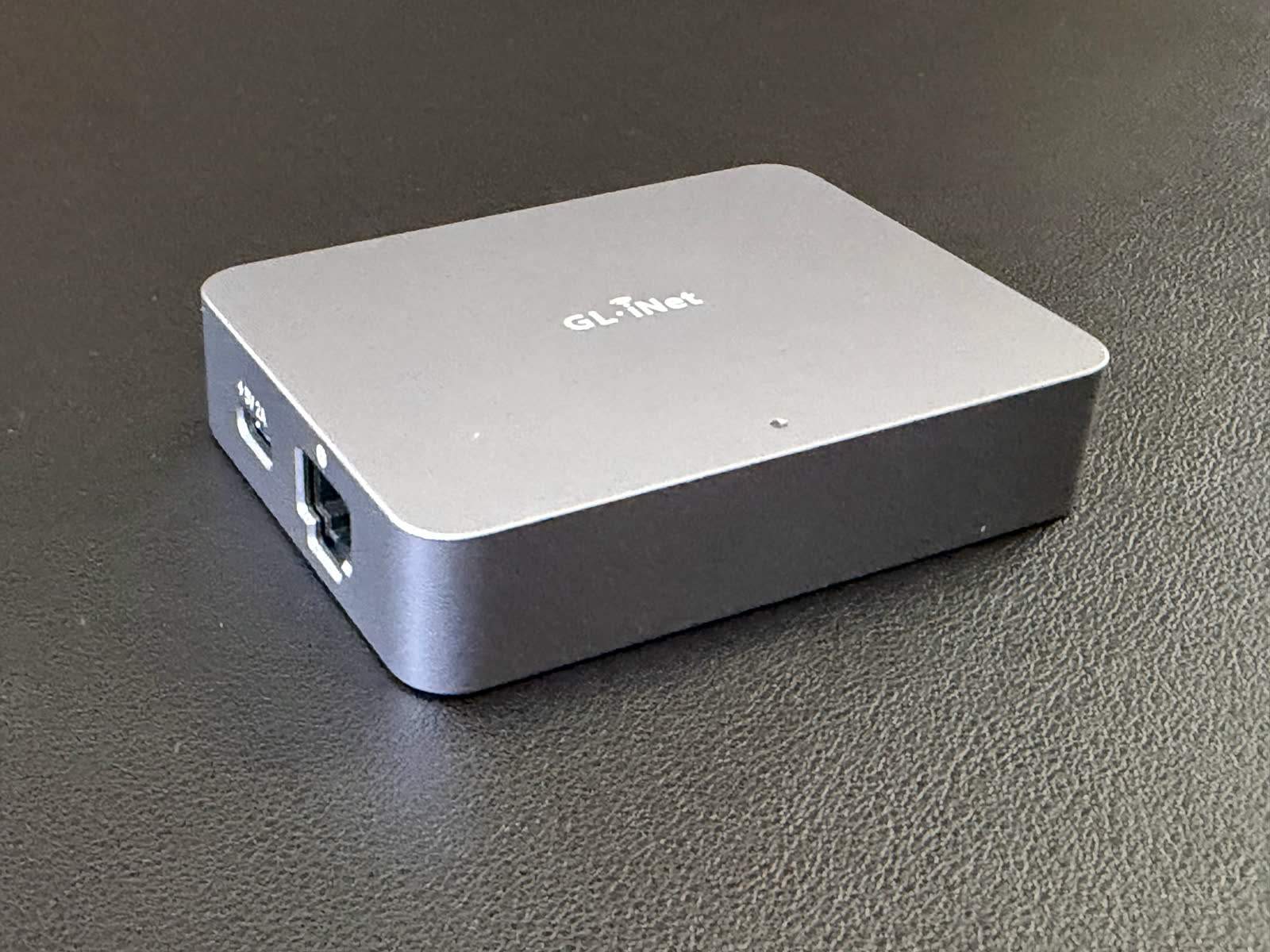
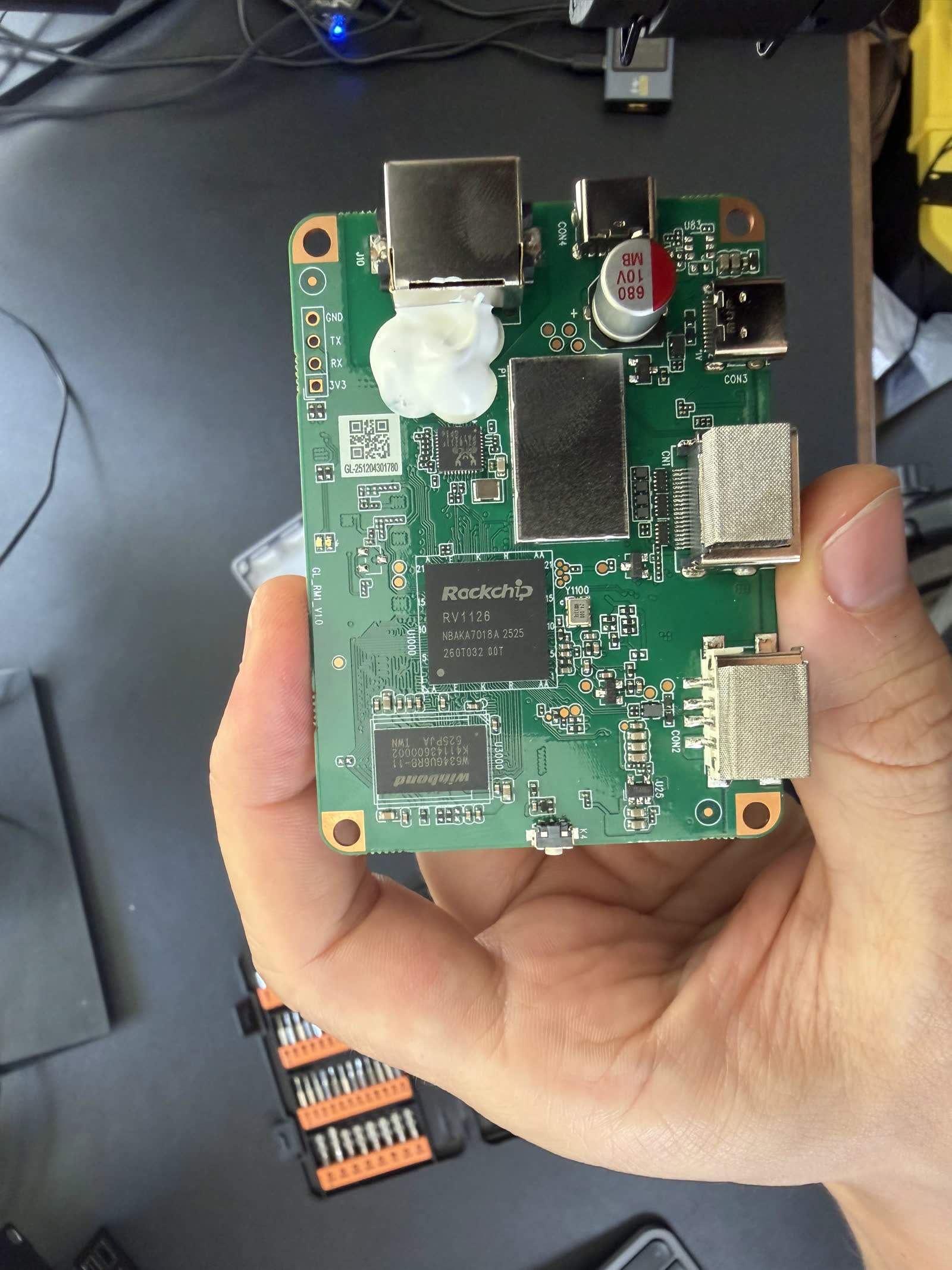
The base Comet is a tidy consumer product, and it opens more easily than its pricier sibling; the Comet Pro, by contrast, was the single hardest device in our fleet to take apart, and we damaged plastic getting into it. The base model has no swappable components, but the layout is clean, with the Rockchip SoC, the Lontium capture chip, a Winbond DDR3 memory package, and the eMMC laid out on a single compact board. Our separate Comet Pro teardown covers how the two differ inside.
The brain: a Rockchip RV1126
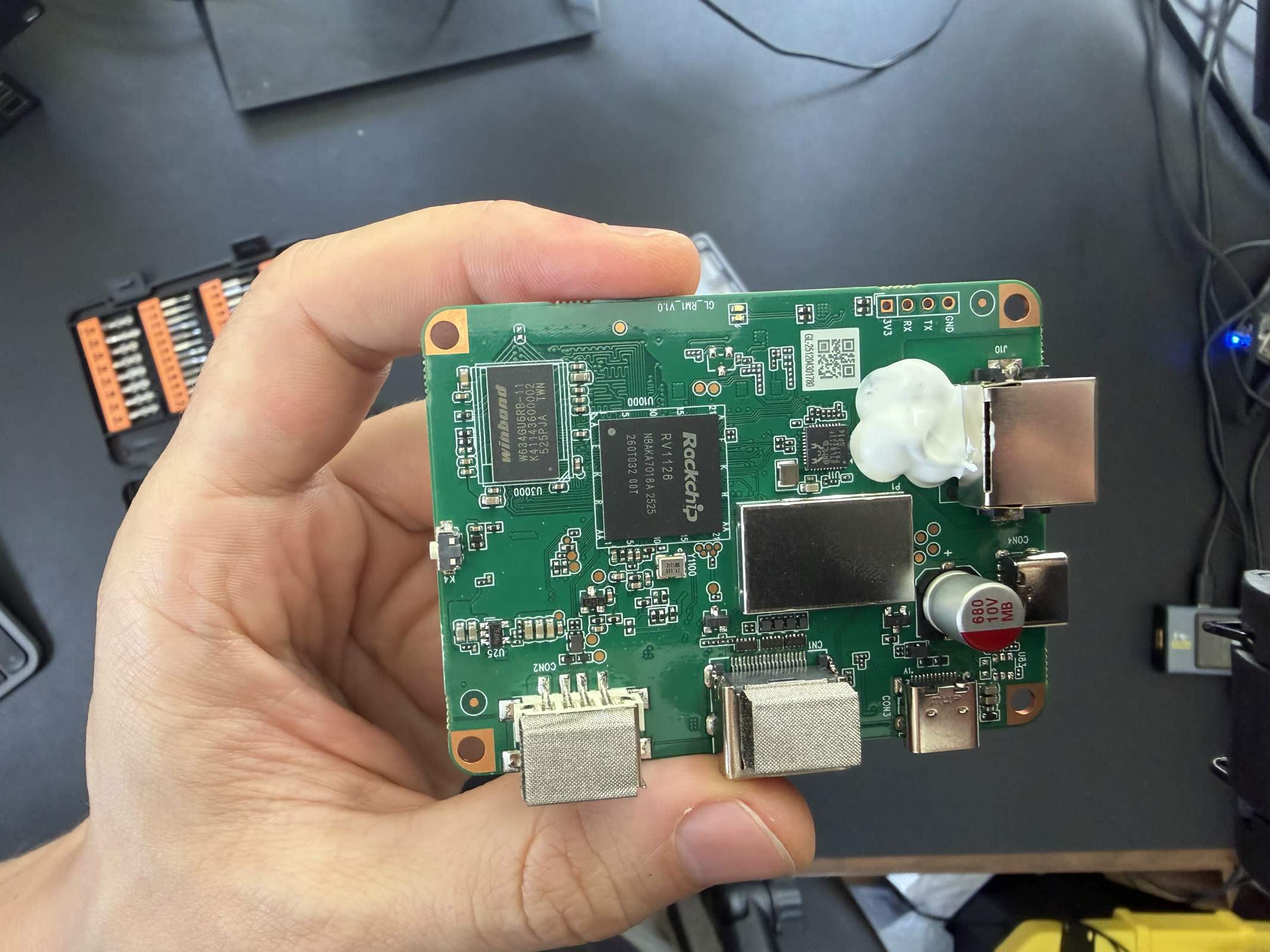
The SoC is a Rockchip RV1126, a quad Cortex-A7 vision processor paired here with a Winbond DDR3 package. This is a meaningful step up from the single-core RV1106 in the JetKVM and Luckfox: four application cores give the base Comet more headroom for its encoder, and that headroom is a plausible part of why it sits at the front of our latency chart at 54.1 ms and why it can push a 2K60 stream, above the 1080p ceiling of the Toshiba-based crowd. It is a good example of the SoC choice, not the price, deciding performance. Our SoC comparison lines the RV1126 up against the rest of the field.
Capture: a Lontium bridge
HDMI enters through a Lontium HDMI-to-MIPI-CSI bridge, the same capture family Sipeed uses in the NanoKVM line. Feeding the RV1126 over CSI lanes rather than USB is why the base Comet streams cleanly at high resolution, and pairing a capable quad-core SoC with a proper CSI front-end is exactly the combination that let a $90 device beat the premium units on latency. The capture-path breakdown for every device is in the capture chip database.
Storage: a Kioxia eMMC
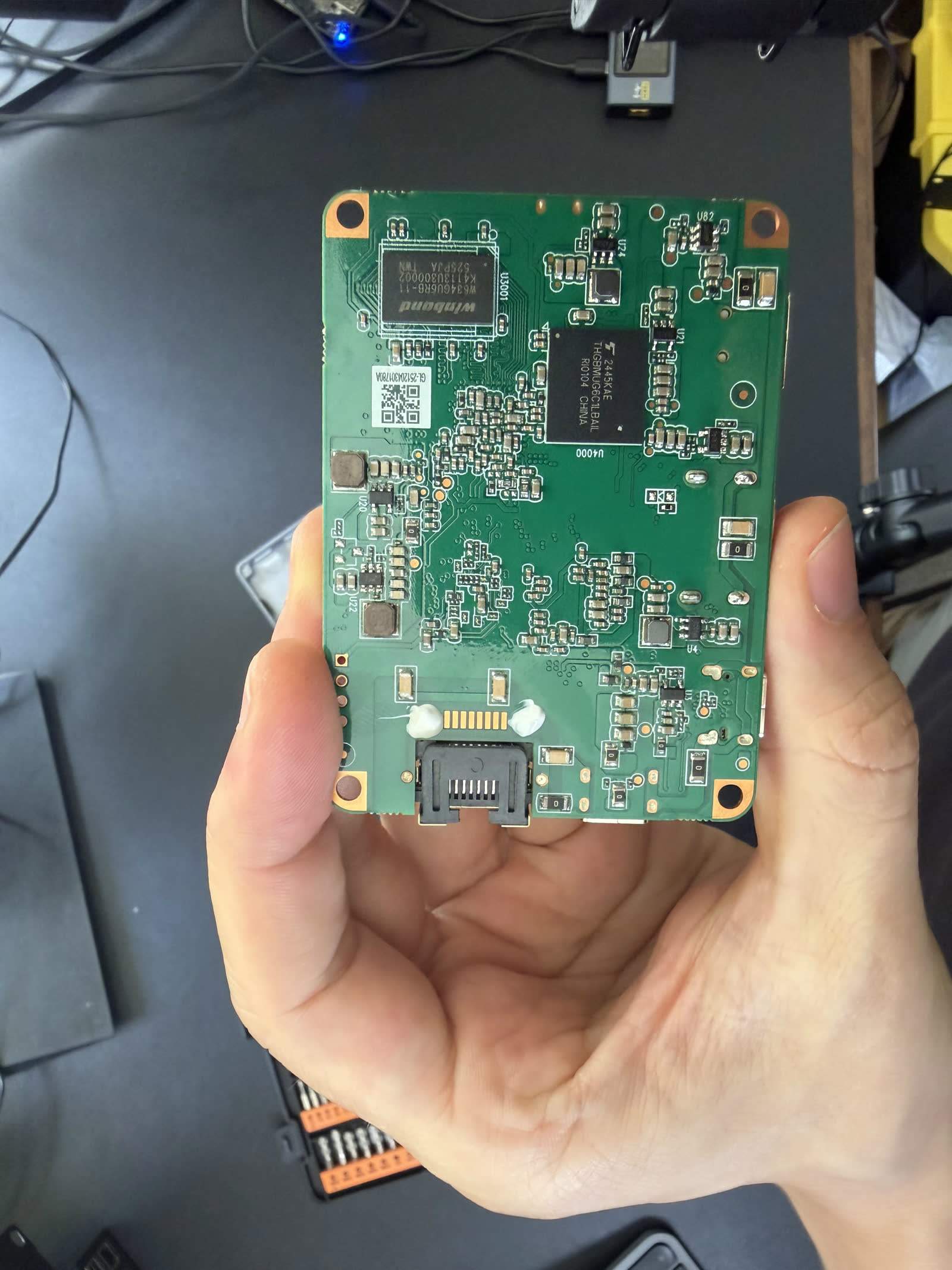
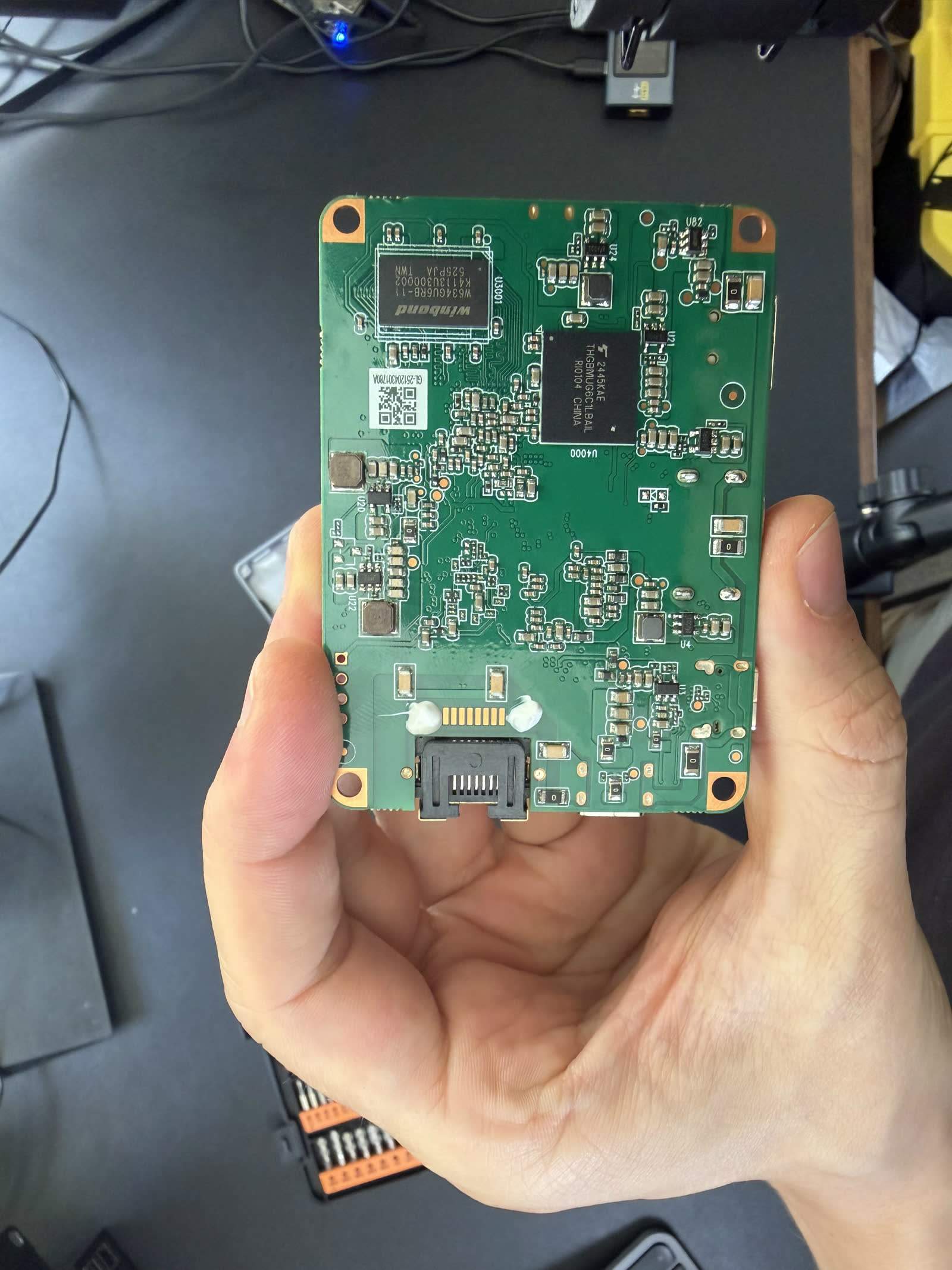
The base Comet carries a soldered 8 GB Kioxia eMMC (part THGBMUG6C1LBAIL). Kioxia is the former Toshiba memory business, so this is a mainstream, reputable part rather than the old-stock or generic storage we found in some budget rivals, a point in the Comet's favor even if 8 GB is modest for mounting large ISOs. After the operating system takes its share, only a few gigabytes remain free, so virtual media is best kept to lean installers unless you are mounting something small. Being soldered, it is not field-serviceable. We put every device's storage side by side in the storage provenance report.
What it does on the network
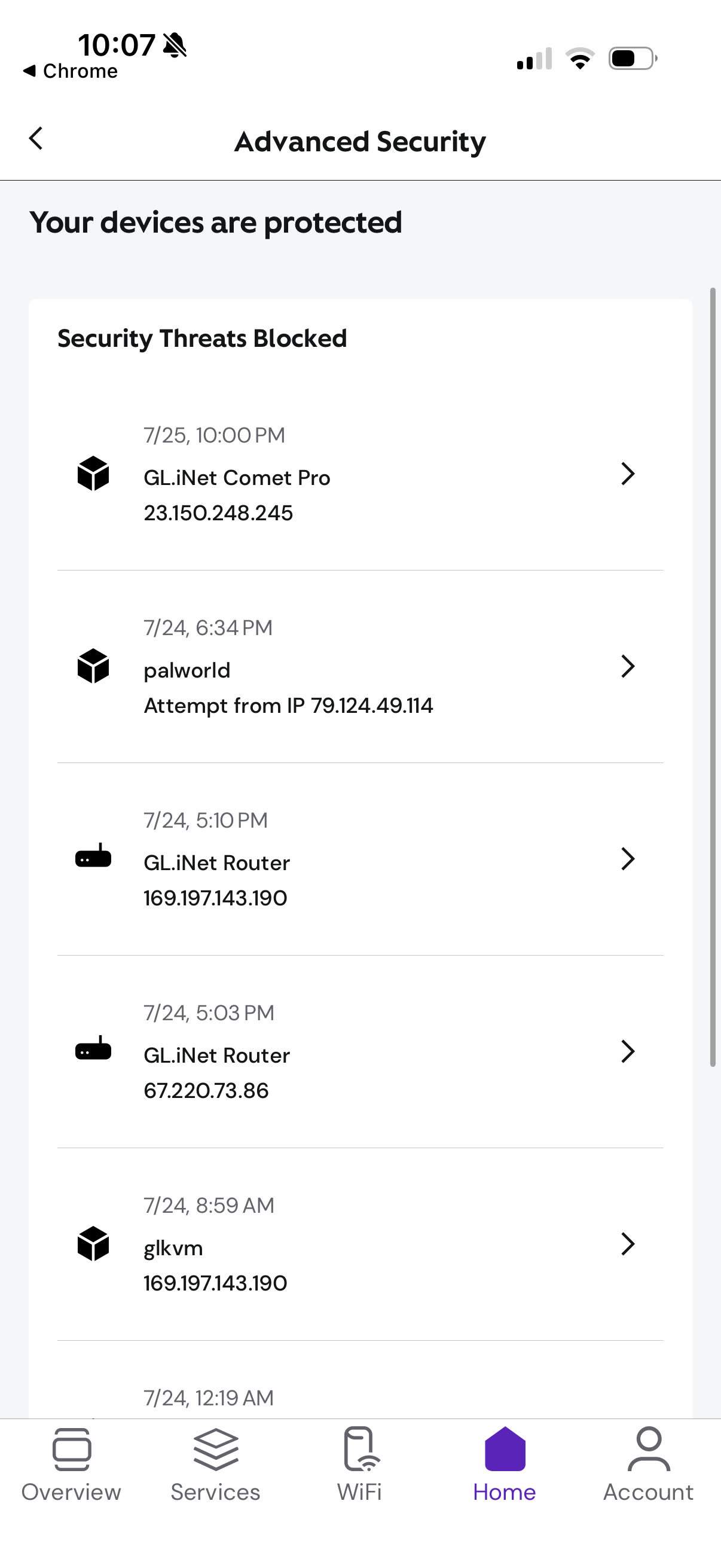
A teardown is only half the picture for a connected device, so we watched the base Comet's traffic. During setup and use, our network monitoring flagged the device reaching out to several external hosts we did not initiate. GL.iNet is a consumer brand and this kind of phone-home is common for firmware updates, cloud relay, and telemetry, but it is worth being clear-eyed about: a KVM has hardware-level access to the machine it manages, so where it sends data and under whose jurisdiction matters. If you deploy a Comet, the sound approach is to keep it on a segmented network and reach it over your own VPN or Tailscale rather than the vendor cloud, which is the general advice in our KVM security guide. In practice that means putting the Comet on its own VLAN, restricting its outbound internet access to only what you actually need, and treating the cloud dashboard as a convenience you can live without. We cover vendor jurisdiction and data domicile across the market in who makes IP KVM devices.
The bill of materials
| Subsystem | Part | Notes |
|---|---|---|
| SoC | Rockchip RV1126, quad Cortex-A7 | Four cores behind the front-of-the-pack 54.1 ms latency and 2K60 |
| Memory | Winbond DDR3 | Discrete DRAM alongside the SoC |
| HDMI capture | Lontium HDMI-to-CSI bridge | CSI feed enables clean high-resolution streaming |
| Storage | Kioxia 8 GB eMMC (THGBMUG6C1LBAIL) | Reputable part (ex-Toshiba), soldered, modest capacity |
| Network behavior | Contacts external hosts | Common for a consumer device; segment and VPN it |
What the teardown means
The base Comet is the fleet's best argument that silicon, not price, sets performance. A well-chosen quad-core Rockchip and a Lontium CSI capture bridge let a $90 consumer device post latency level with the fastest we measured and stream above 1080p, beating units that cost several times more. The storage is reputable if modest, and the build is tidy, though not made to be opened. The one thing to go in with your eyes open about is the network behavior: it is a cloud-connected consumer product, so treat it like one and keep it segmented. The measured latency, the firmware-update friction we hit during setup, and the full verdict are in our GL.iNet Comet review.
FAQ
FAQ
The base Comet (GL-RM1) uses a Rockchip RV1126, a quad Cortex-A7 vision processor, paired with Winbond DDR3 memory. Its four cores are a likely reason the base Comet posted one of the two fastest latencies in our fleet, 54.1 ms glass to glass at 1080p60 in Chrome, and can stream at 2K60.
A Lontium HDMI-to-MIPI-CSI bridge, the same capture family used in the Sipeed NanoKVM line. Feeding the SoC over CSI rather than USB is why the Comet streams cleanly at high resolution.
Yes. The base GL-RM1 uses a Rockchip RV1126, while the Pro moves to a newer 64-bit RV1126B and adds features, at a higher price and higher power draw. The base model was actually faster in our latency testing. See our separate Comet Pro teardown for the internal comparison.
Our network monitoring caught the base Comet contacting external hosts we did not initiate during setup and use. That is common for a consumer device doing firmware updates, cloud relay, and telemetry, but because a KVM has hardware-level access, keep it on a segmented network and reach it over your own VPN or Tailscale rather than the vendor cloud.
A soldered 8 GB Kioxia eMMC (part THGBMUG6C1LBAIL). Kioxia is the former Toshiba memory business, so it is a reputable part, though 8 GB is modest for mounting large ISOs, and being soldered it is not field-serviceable.
Every part here was read off our own unit, and the network findings are from our own monitoring. The measured latency, power, and value verdict this context sits against are in the GL.iNet Comet review, and the same probe on every other device is in our capture chip database.